ThoughtWorks Experts Outline AI Production Guardrails
Industry experts at an InfoQ panel warned that AI deployments fail through silent semantic drift and unmonitored updates, urging teams to treat autonomous agents like new human hires.
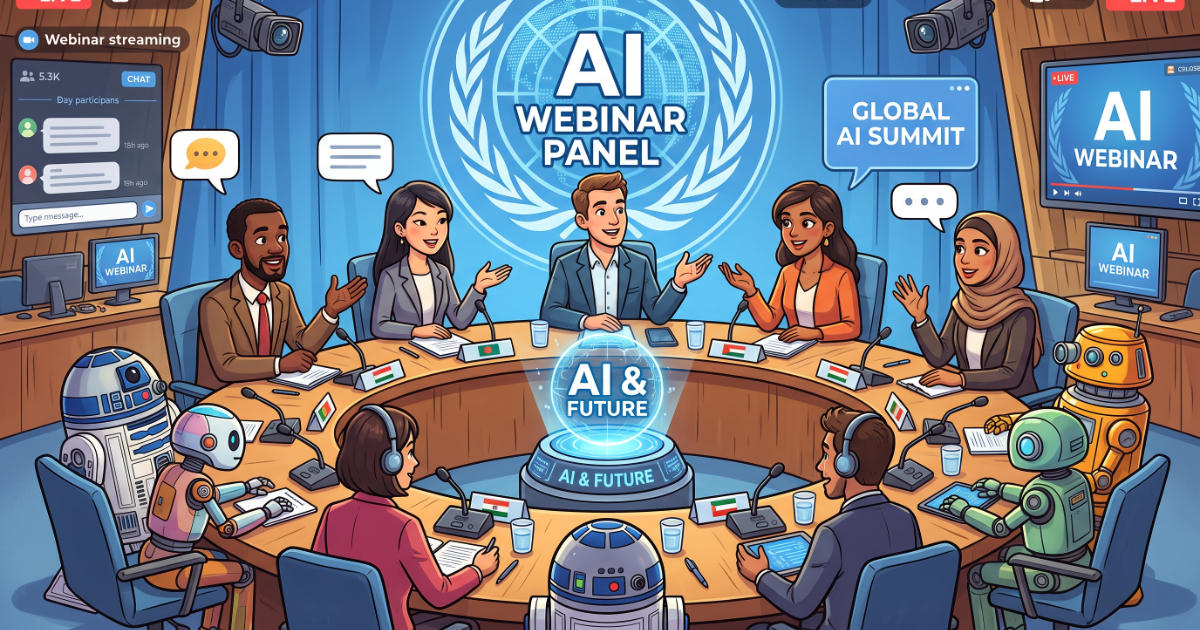
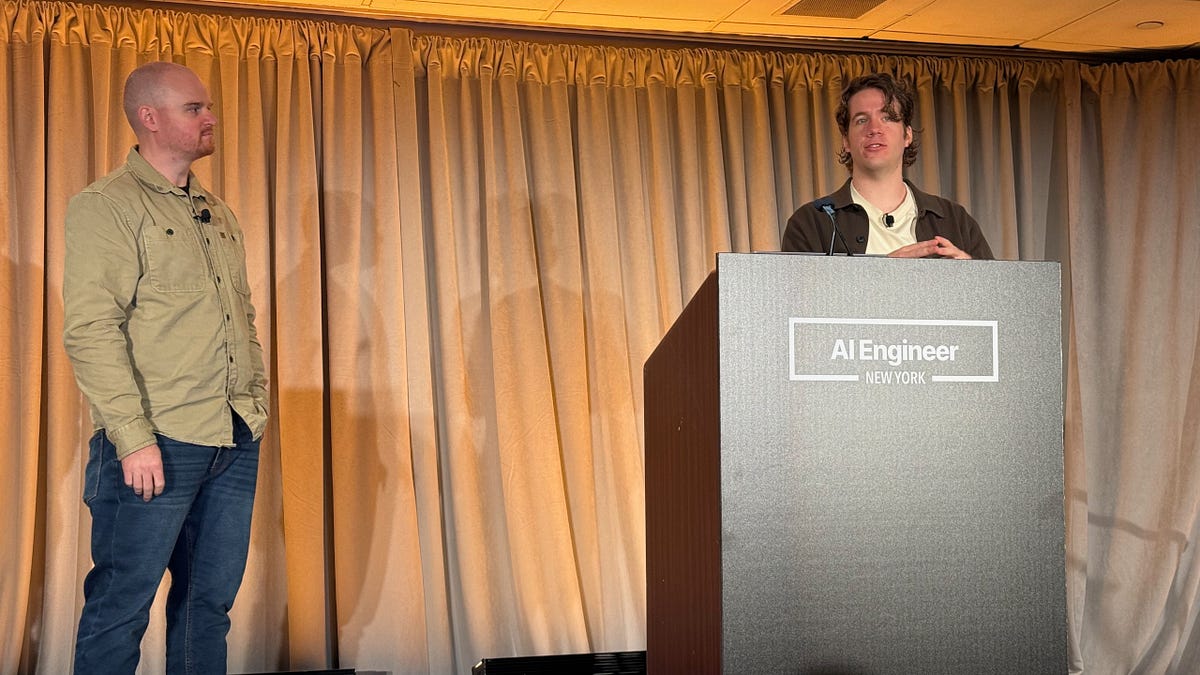
During a recent InfoQ panel discussion, tech leaders from ThoughtWorks and the financial sector detailed how artificial intelligence systems frequently fail in production through subtle errors rather than explicit system crashes. Moderated by Hien Luu, the session brought together Zichuan Xiong and Prem Chandrasekaran from ThoughtWorks, privacy expert Katharine Jarmul, and financial practitioner Lan Chu to examine real-world operational breakdowns. Xiong cited semantic drift in text-to-SQL agents that confuse domain concepts like treating "member" identically across sales and support, while Chu described embedding drift where an unannounced background update to a vector model distorted similarity thresholds, triggering massive false positive spikes in compliance filters while health checks stayed green.
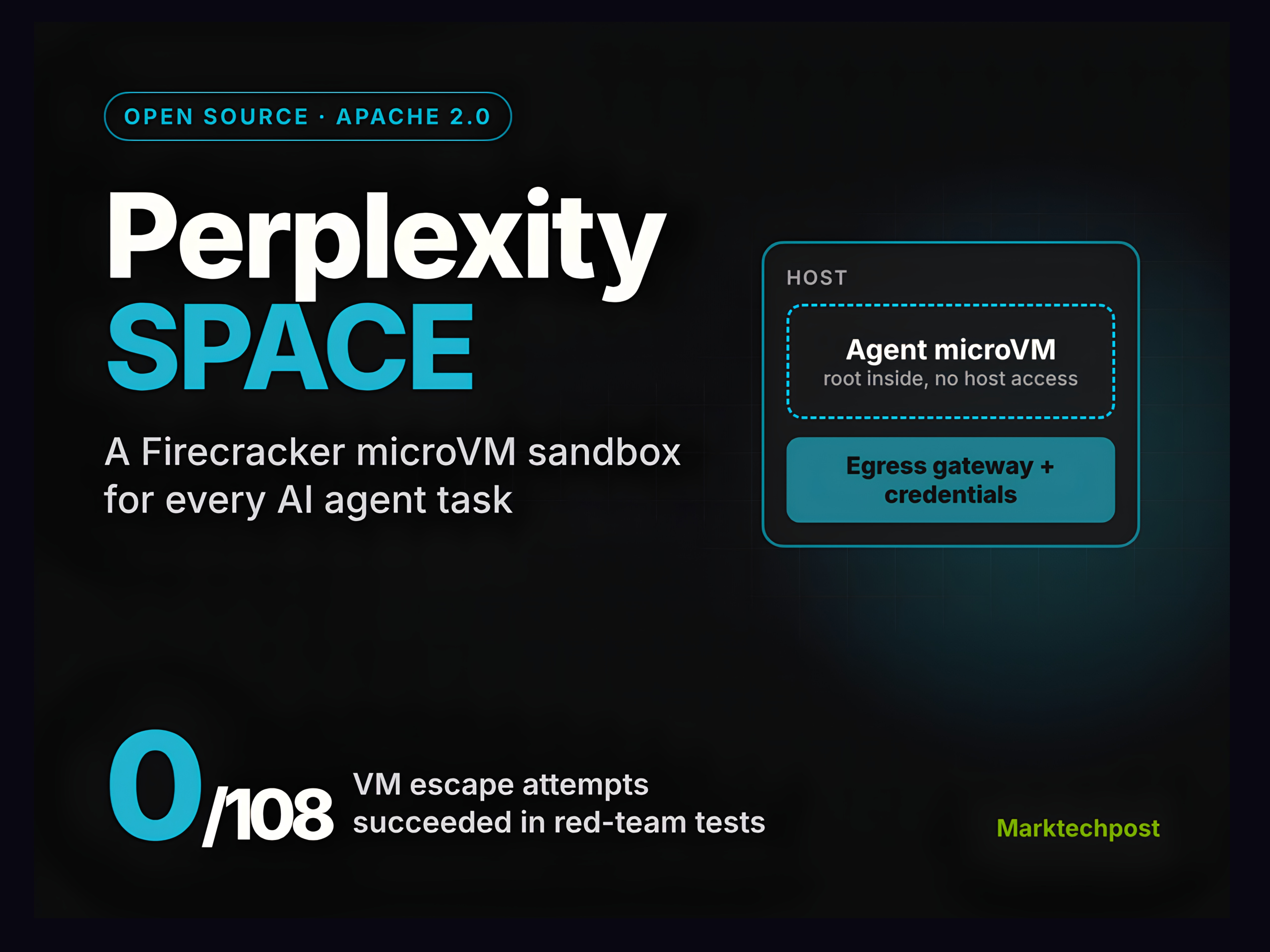
The panellists emphasized that security frameworks must evolve alongside autonomous agent capabilities. Chandrasekaran highlighted the GitSpawn vulnerability, which allows malicious repository configurations to execute unauthorized commands during routine operations. Furthermore, model data memorization risks exposing sensitive API keys and personal information through context windows and retrieval-augmented generation pipelines. To mitigate these threats, Jarmul rejected prompt engineering as a primary defense, calling instead for systematic red teaming, strict functional scopes, and continuous threat modeling. Chandrasekaran advised managing third-party Model Context Protocol (MCP) dependencies strictly while isolating API secrets in secure sandboxes.
For practitioners, high-velocity coding assistants require a fundamental shift away from manual line-by-line code reviews toward automated harness engineering within CI/CD pipelines. Chandrasekaran urged teams to reserve human oversight for high-level architecture and business intent, suggesting a return to mutation testing to verify that automated test suites evaluate genuine logic rather than surface code coverage. To control autonomous agents, he recommended treating them like new engineering hires by issuing distinct non-human identities and setting tiered access controls between read-only actions and reversible write operations. Chu added that evaluation frameworks must operate as living infrastructure, using continuous span-level tracing to feed production edge cases directly back into offline benchmarks.
This is our own summary of reporting by InfoQ AI